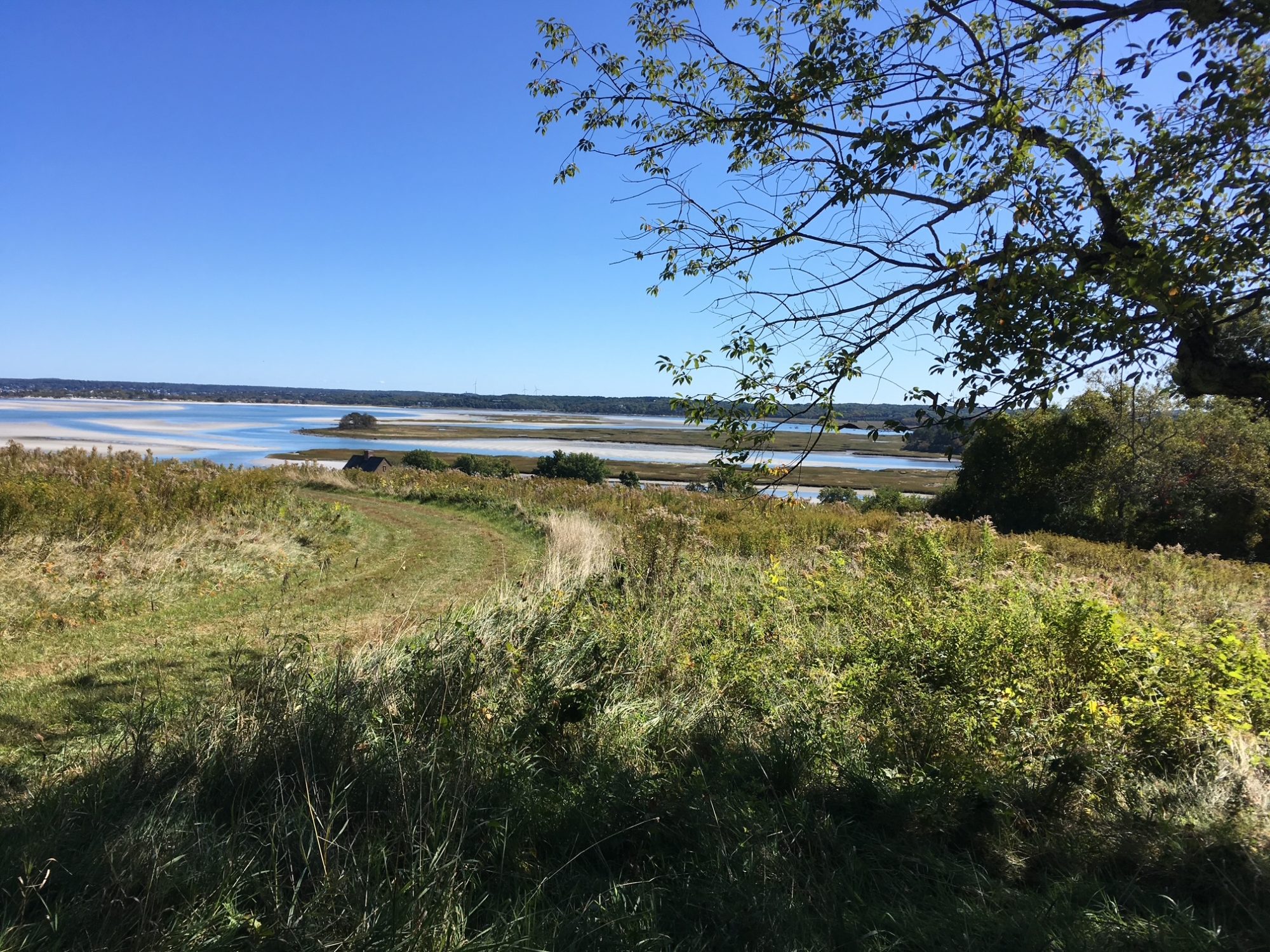
More About Choate Island

From the Trustees website: Historian Tom Beddall shared, “In 1636 the general court ordered that all hogs kept within the Massachusetts Bay Colony had to be kept on islands or in fenced enclosures for the entire planting and growing season. So already by 1638, this is known as Hog Island, because every town that had a shoreline island put hogs there, which is why there are so many Hog Islands along the shore.”


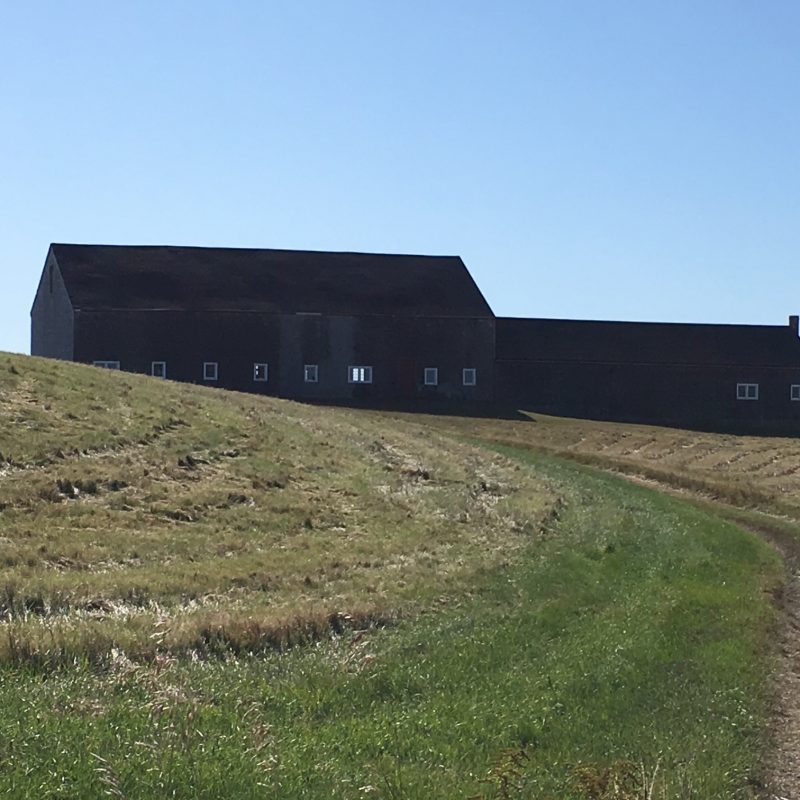
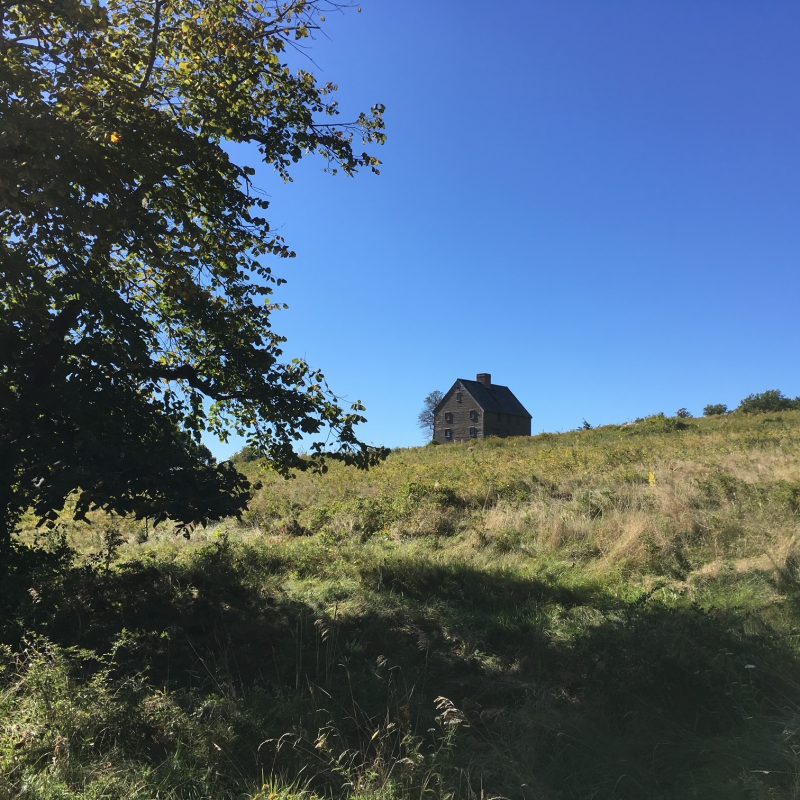
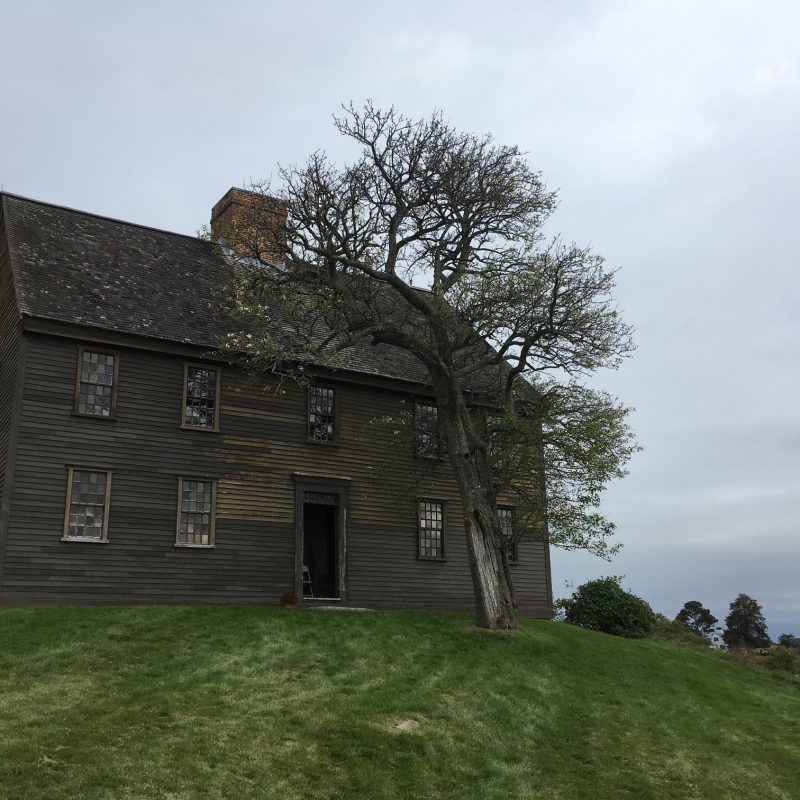
According to historicmasschusetts.org, which has a wealth of information about seventeenth- and eighteenth-century houses, Hog Island was included in a grant to John Winthrop Jr. in 1637, but its first resident was Thomas Choate. Although others owned portions of the island at times, Choate eventually owned all of it. He built his homestead and cleared some of the forest to graze his sheep in 1725. The Choate House that still stands on the island today was built by Thomas for his son Francis a few years later. Here, and in other Choate farms on Hog Island, 80 members of the Choate family were born, including the eminent US Senator and Congressman Rufus Choate, born here in 1799. The island, officially renamed Choate Island in 1887, remained in the family for more than 100 years.


Richard T. Crane founded the Crane Co. in Chicago. It was one of the leading manufacturers of bathroom fixtures from its founding in 1855 until 1990. (Crane Co. still exists today, as a diverse industrial products company, based in Stamford, CT). His son Richard T. Crane Jr., also of Chicago, acquired the land that would become Ipswich’s Castle Hill estate in 1910, and built a family mansion, today known as the Great House at Castle Hill, which was completed in 1928. Sadly, Richard Jr. died at the young age of 58 only three years later, in 1931. After his death, the estate was given to his wife, Florence, and two children. His eldest son, Cornelius, inherited Choate Island.


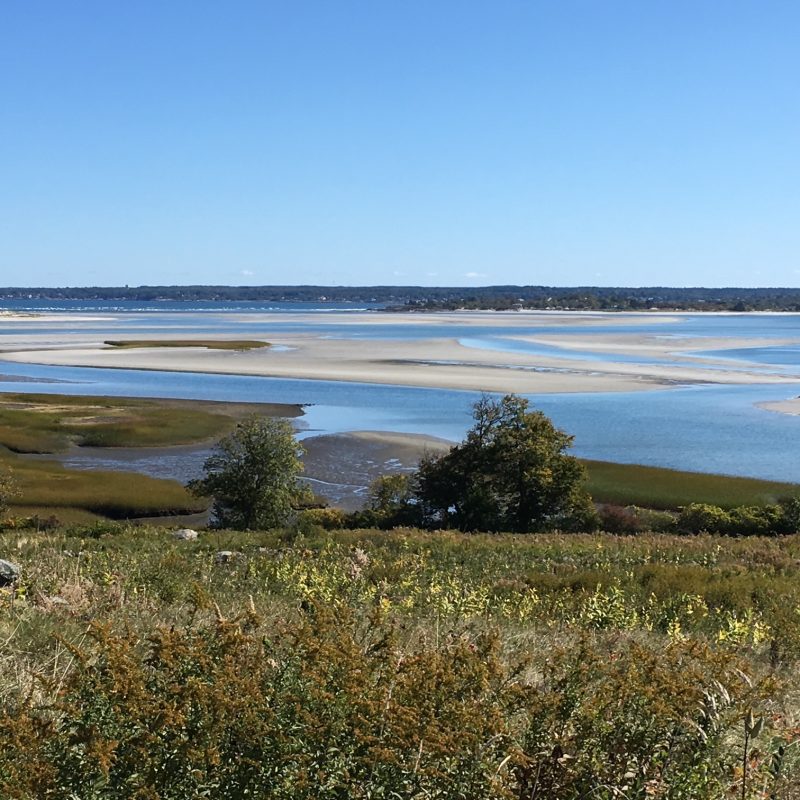
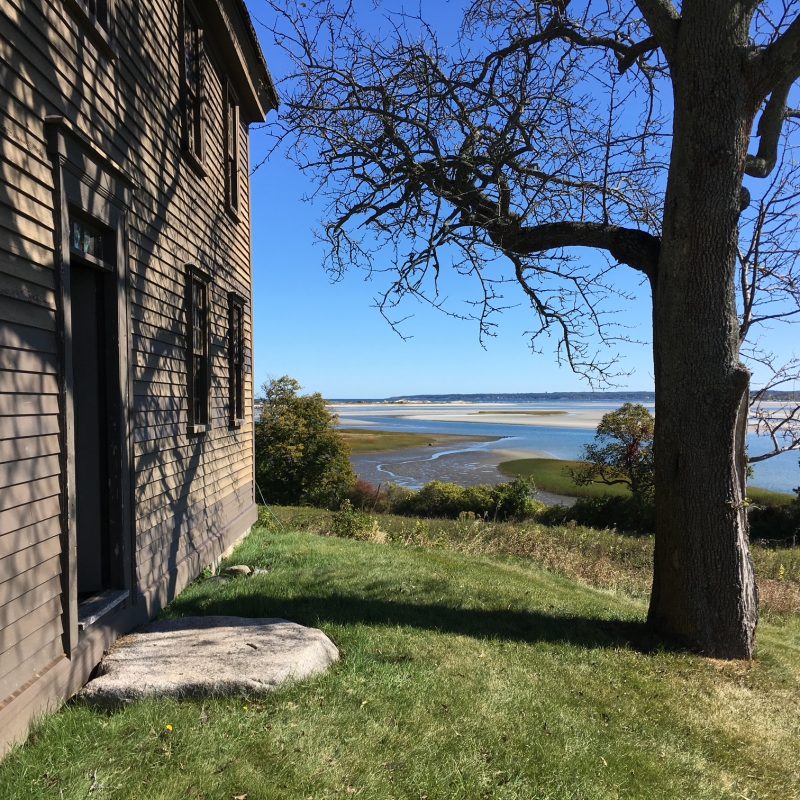
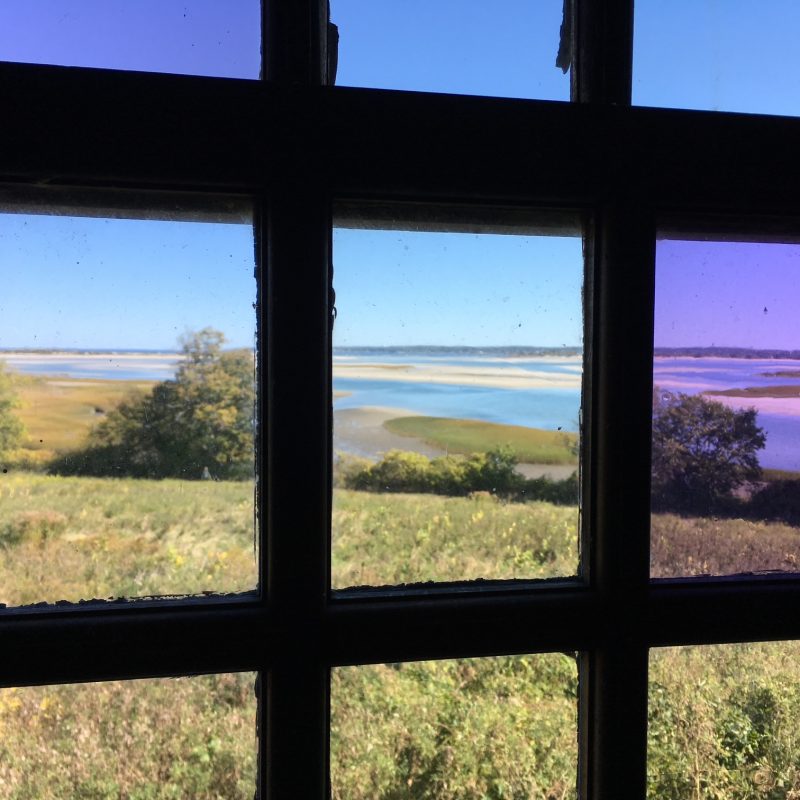
First married in 1929 and divorced in 1940, Cornelius remarried in 1955, to Hiroshima-born Minescule “Miné” Sawahara, a painter and musician. They met in Japan during one of Cornelius’s many travels to the Pacific Islands. The couple married in a Shinto ceremony in Japan and returned to live in America, where Miné became a citizen in 1960. Cornelius built the “White Cottage” that stands on Choate Island today. According to thetrustees.org website, “Cornelius and Miné enjoyed life tenancy at Castle Hill, living part-time in the Brown Cottage (now The Inn at Castle Hill). They also created a flower garden in the former Vegetable Garden, where Miné had a small studio in one of the towers. Their favorite place, however, was the White Cottage on Choate Island, a Royal Barry Wills-designed house with breathtaking views of Ipswich Bay.”


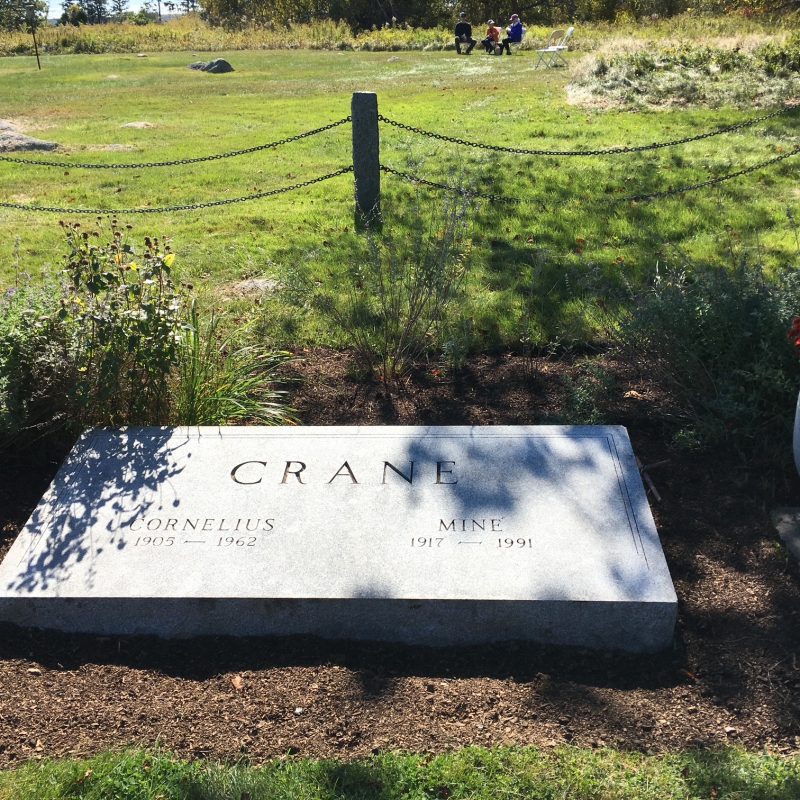
Cornelius, too, died young, aged only 57 in 1962. Miné continued to paint through the 1970s and 1980s, with exhibitions in New York and Paris. She was also an accomplished flutist and harpist, and established the Mrs. Cornelius Crane Scholarship at New York’s Julliard School of Music. Miné died in 1991. Both Cranes are buried at the summit of their beloved Choate Island.


In 1974, Miné gifted 700 acres of Ipswich and Essex, which included Choate Island and its four surrounding islands – Round Island, Long Island, Dean Island, and Dilly Island – as well as the surrounding salt marsh, to The Trustees of Reservations. Today it is known as the Crane Wildlife Refuge.


In 1996, a film adaptation of Arthur Miller’s 1953 play The Crucible was filmed on Choate Island. While the play’s subject matter was the Salem witch trials, Miller used the seventeenth-century tragedy as an allegory for McCarthyism. The 1950s saw thousands of people ruined by accusations of communism, particularly as government lawmakers scapegoated people in the arts. Miller saw the parallels to Salem, and wrote a fictionalized story as a metaphor. He created a romantic relationship between a 30-year-old John Proctor and the young woman Abigail Williams, when the real life Proctor was 60 and Abigail was 12 in 1692 – and the two likely didn’t even know each other until the tragedy unfolded. The movie starred Daniel Day-Lewis and Winona Ryder.


As previously mentioned, the Trustees of Reservations offer a “Choate Island Day” once a year. Keep an eye on thetrustees.org for information.