More About John Wise House

John’s father, Joseph Wise, was brought from England to Roxbury, MA in 1636 as the indentured servant of Dr. George Alcock. He worked for the doctor until Alcock’s death in 1640, at which time Wise became a free man.


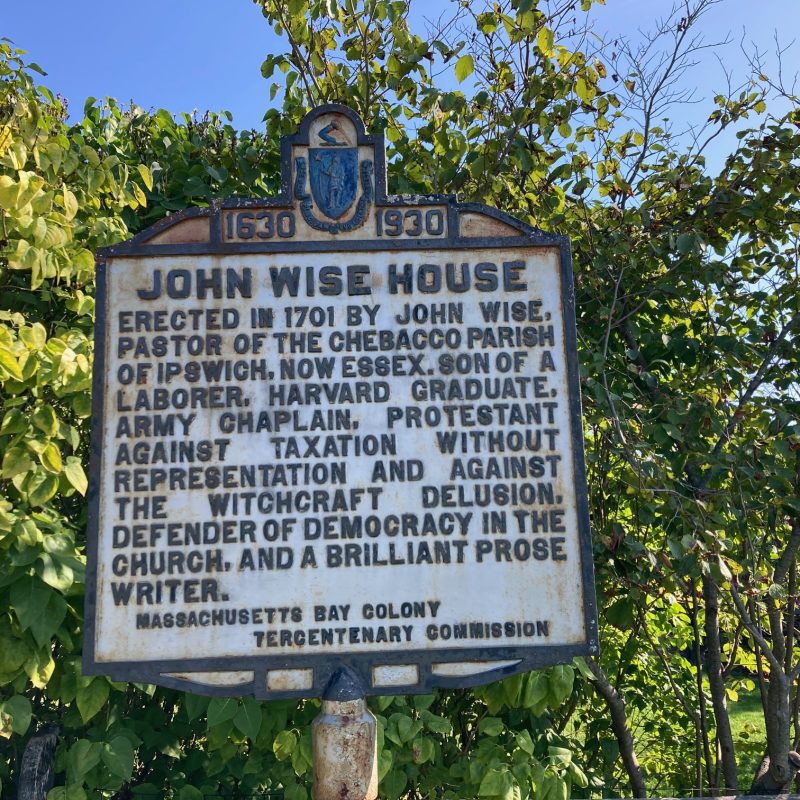
Joseph’s son John was born in Roxbury in 1652. John Wise graduated from Harvard College in 1673, and then became a minister in Branford, CT in the mid-1670s, from where he was called to be a chaplain during King Philip’s War. While serving as minister in Hatfield, MA from 1678-1682, he met and married Abigail Gardner. The couple would have seven children.


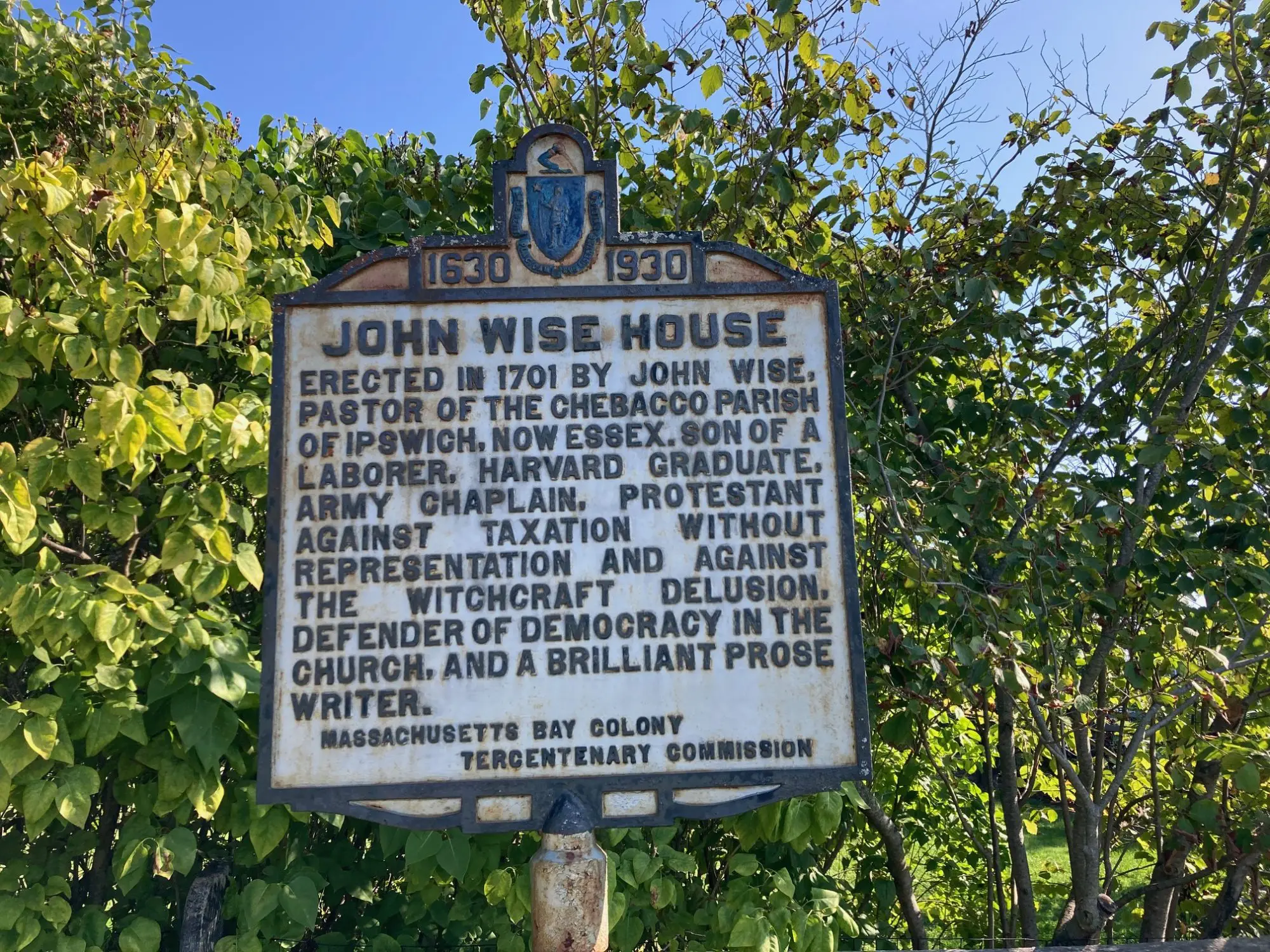
Rev. Wise relocated his family to Ipswich, MA. He started preaching at Chebacco Parish, or the Second Church of Ipswich, in 1680 and was ordained there in 1683 when he was 31 years old. At the time, he was given ten acres of land and a parsonage and barn were built for his use, a little to the south of where the John Wise House stands today.


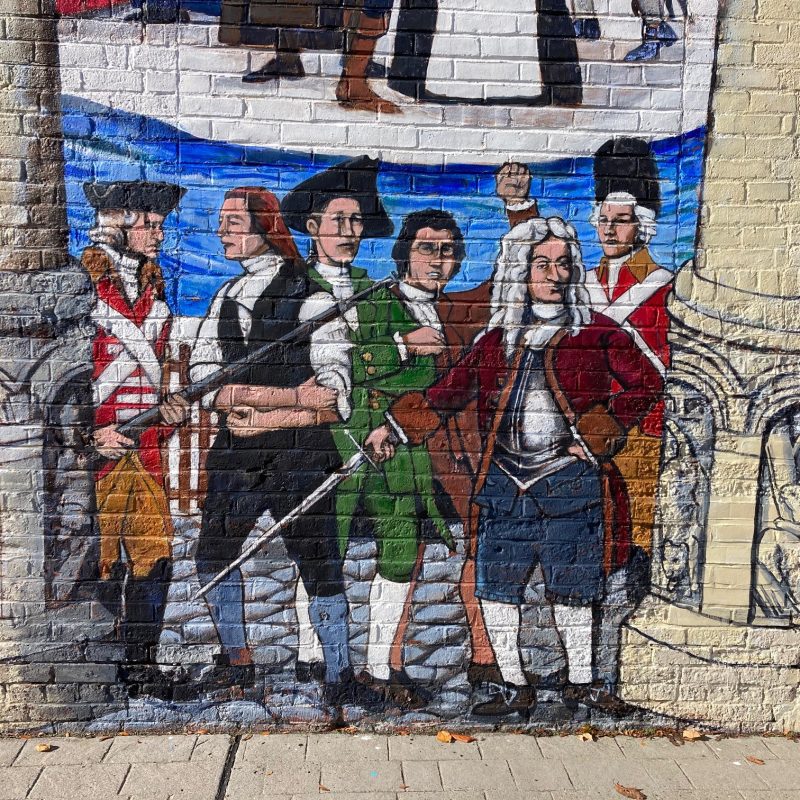
Troubled times lay ahead. The Massachusetts Bay Charter was annulled by England in 1684. After he came to power in 1686, Royal Governor Edmund Andros proposed taxing Massachusetts towns. The next year, Rev. Wise, John and Samuel Appleton, and Ipswich selectmen led the residents of Ipswich in protest, advising them to resist “taxation without representation.” For this, Wise and five others were arrested, imprisoned in Boston for three weeks, and fined. Rev. Wise lost his pulpit. Andros was overthrown in 1689, after which Wise regained his ministry and became an Ipswich representative to the General Court. For this resistance to authority, Ipswich is often called the “Birthplace of American Independence.”


In 1690, Rev. Wise was one of three chaplains on William Phips’ disastrous expedition against Quebec, during which the failed effort lost 1,000 men and four ships. Nevertheless, Phips was appointed the first royal governor of the new Province of Massachusetts Bay two years later, largely thanks to his alliance with the powerful reverends, Increase and Cotton Mather. Phips and Wise would soon both be involved in another tragedy.


The Salem witch trials of 1692 – the largest and deadliest witch hunt in colonial North American history – would find hundreds of people accused and jailed on witchcraft charges throughout Essex County. By its end in 1693, nineteen people had been hanged and one man tortured to death, five more died in jail, and hundreds were affected throughout the colony.


One of the few reasonable voices during the terrible events was that of Rev. Wise, who threw his formidable support behind former Ipswich resident John Proctor and his wife Elizabeth, when the couple was jailed on witchcraft accusations. Wise was the first of 32 Ipswich neighbors to sign a petition on their behalf, a list that included members of such respected Ipswich families as Storys, Burnhams, Choates, and Cogswells. The petition proved futile – John Proctor was hanged on August 19, along with four other innocents. His wife’s execution was delayed, due to the fact that she was pregnant, and the trials came to an end shortly after Elizabeth give birth in January of 1693. It is interesting to note that, although Ipswich was the location of one of four jails used during the trials, and was also the location of regular quarterly courts, only one Ipswich woman was executed. Elizabeth How, hanged on July 19, lived on the southern edge of Ipswich, on the border with Topsfield. One wonders if Rev. Wise’s moderate influence kept the executions to a minimum, unlike other area communities. The trials came to an end when Governor Phips, the creator of the emergency court of Oyer and Terminer in May of 1692, disbanded the court in October, and finally reprieved all who had been convicted the following January.


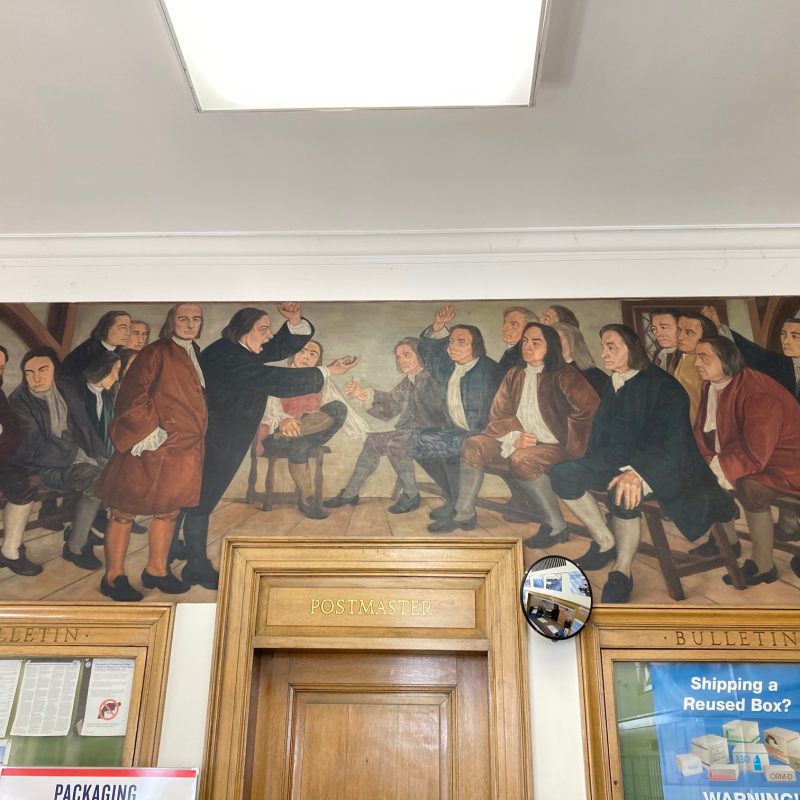
Rev. John Wise remained the minister of the Chebacco Parish until his death in 1725. Before the end of his life, Wise’s masterful words would influence the governing organization of churches in New England. He wrote two pamphlets, in 1710 and 1717, in response to the Boston Ministers Association proposal to bring all churches under one rule. Rev. Wise opposed the plan, believing congregations should be self-ruled.


Rev. Wise’s “A vindication of the Government of New England churches,” was called by a biographer, “the text-book of liberty for our Revolutionary fathers, containing some of the notable expressions that are used in the Declaration of Independence.”


Said Wise,


“The end of all good government is to cultivate humanity, and promote the happiness of all, and the good of every man in all his rights, his life, liberty, estate, honor, without injury or abuse to any.”


And


“All men are born free and nature having set all men upon a level and made them equals no servitude or subjection can be conceived without inequality.”


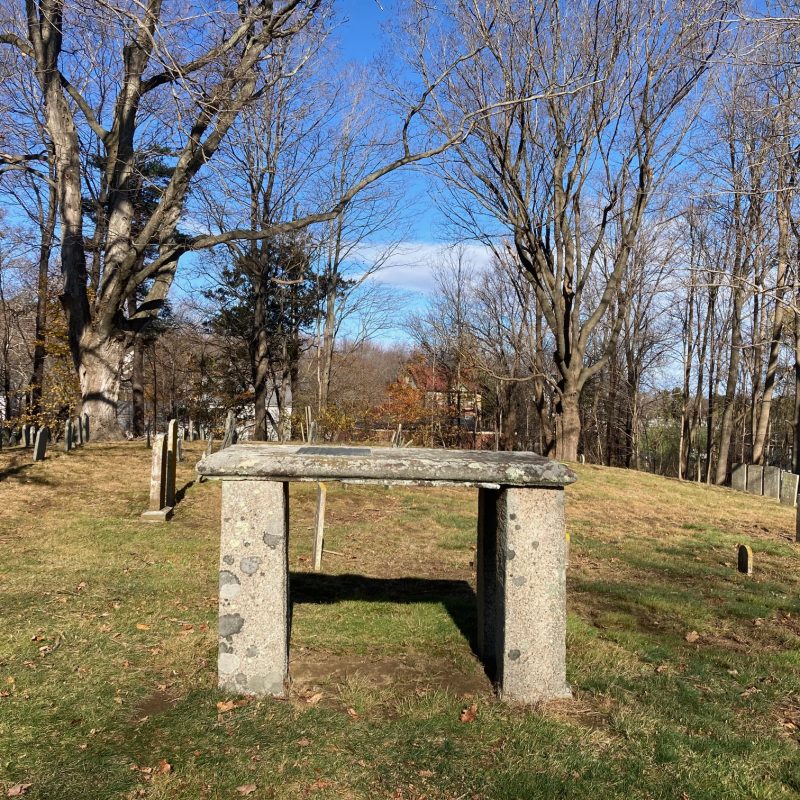
John Wise died on April 8, 1725 at his home in Chebacco, at the age of 72. On his deathbed, he said to his son-in-law, John White of Gloucester, “I have been a man of contention, but the state of the churches made it necessary. Upon the most serious review, I can say I have fought a good fight, and I have comfort in reflecting upon the same: I am conscious to myself that I have acted sincerely.”


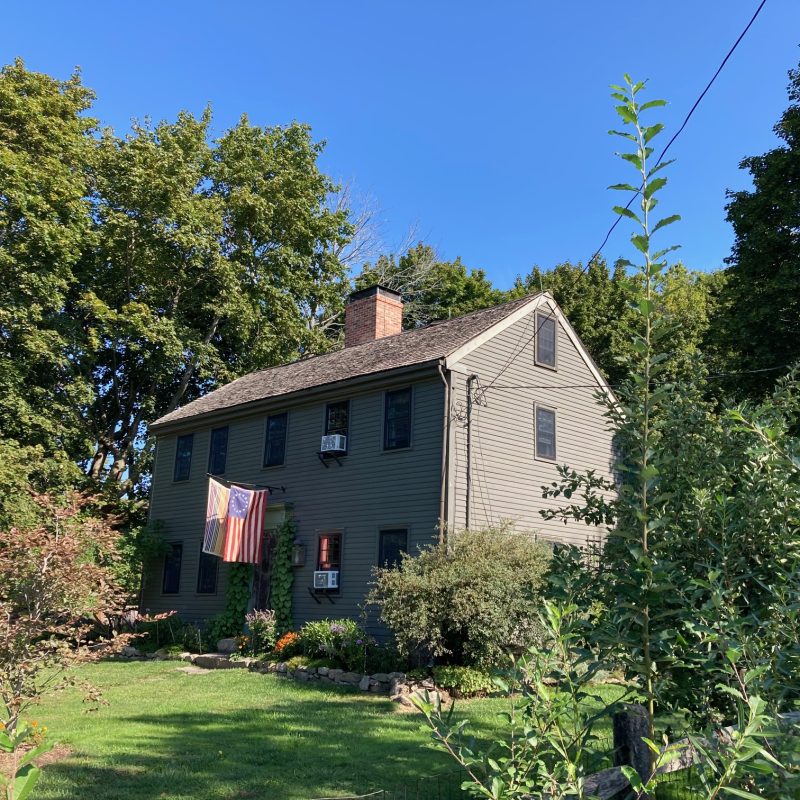
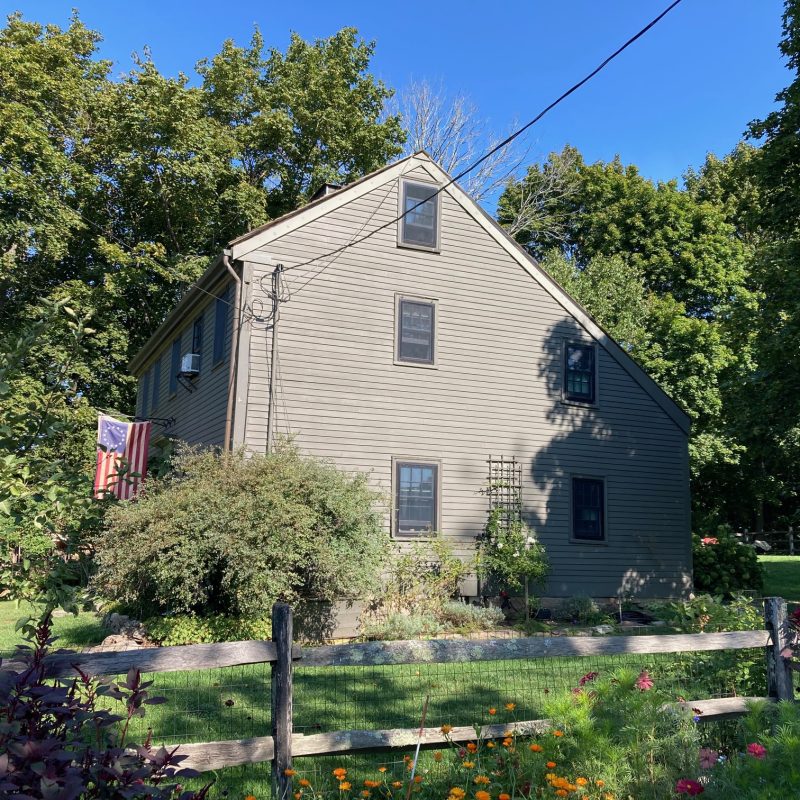
The John Wise House, built by Rev. Wise circa 1701, still stands on the road between Essex and the town of Ipswich at 85 John Wise Avenue. Private Residence. Not Open to the Public.