Colonial residents of Chebacco, the southeastern part of Ipswich, would sometimes worship in a private home, rather than make the weekly, arduous 10-mile round-trip to meetinghouse green in Ipswich, the religious and governmental center of town since the town’s founding in the mid-1630s.

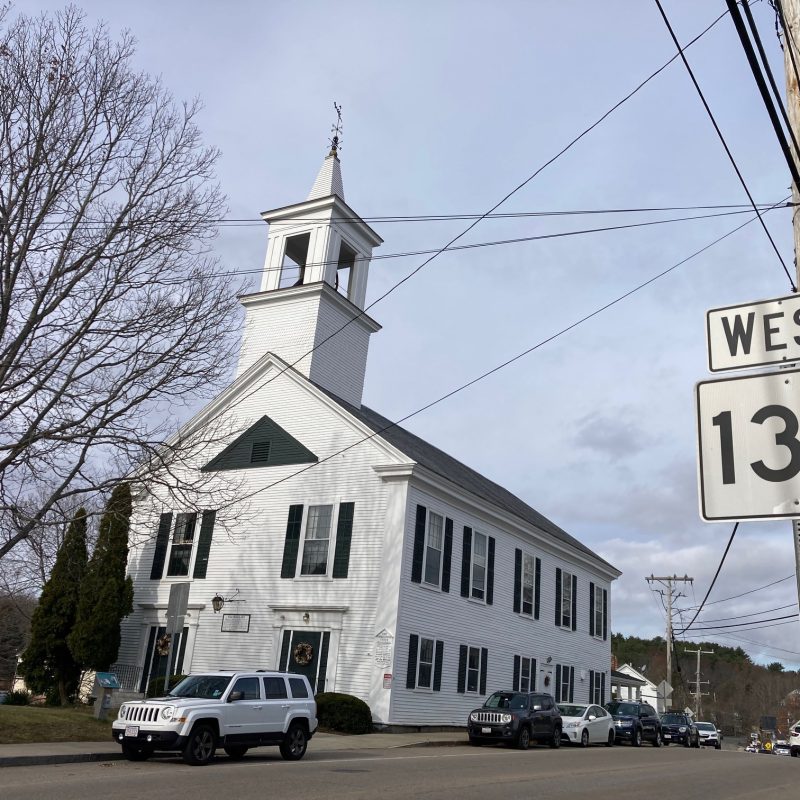
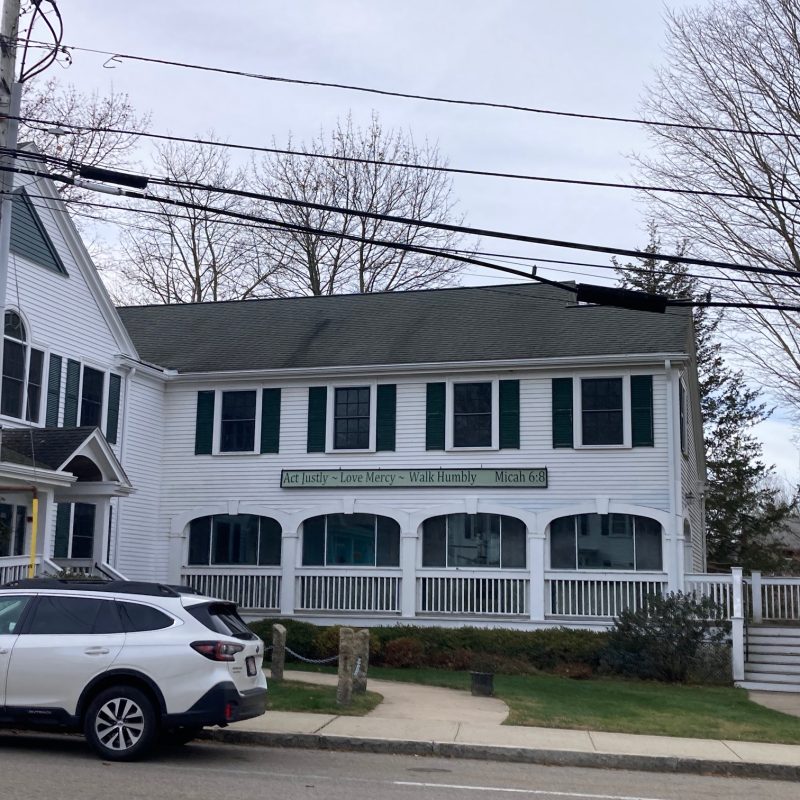
Meeting House of Chebacco Parish / First Congregational Church of Essex

39 Main Street, Essex, MA, USA
39 Main Street, Essex, MA, USA
More About Meeting House of Chebacco Parish / First Congregational Church of Essex
In 1677, Chebacco asked for permission to worship separately from Ipswich. The General Court in Boston forbid them from building their own meeting house. Nevertheless, men began to gather building materials, with the intention of erecting their own place to worship. When Ipswich authorities got wind of this action, fearful of losing the tithing money from any of their parishioners, they obtained a court order from Boston which stated, “No man shall build a meeting house at Chebacco.”
Choosing to follow the directive literally (no MEN from Chebacco), several women from Chebacco enlisted help from men residing in surrounding towns and began to oversee the construction of their meeting house. The authorities arrived as the building was underway and arrested three of the women and two of the men. Even though they acknowledged their misconduct, Chebacco residents were ultimately allowed to continue constructing a meeting house “for their comfort and settlement.” This was known as the Second Church of Ipswich, or the Chebacco Church, built circa 1679.
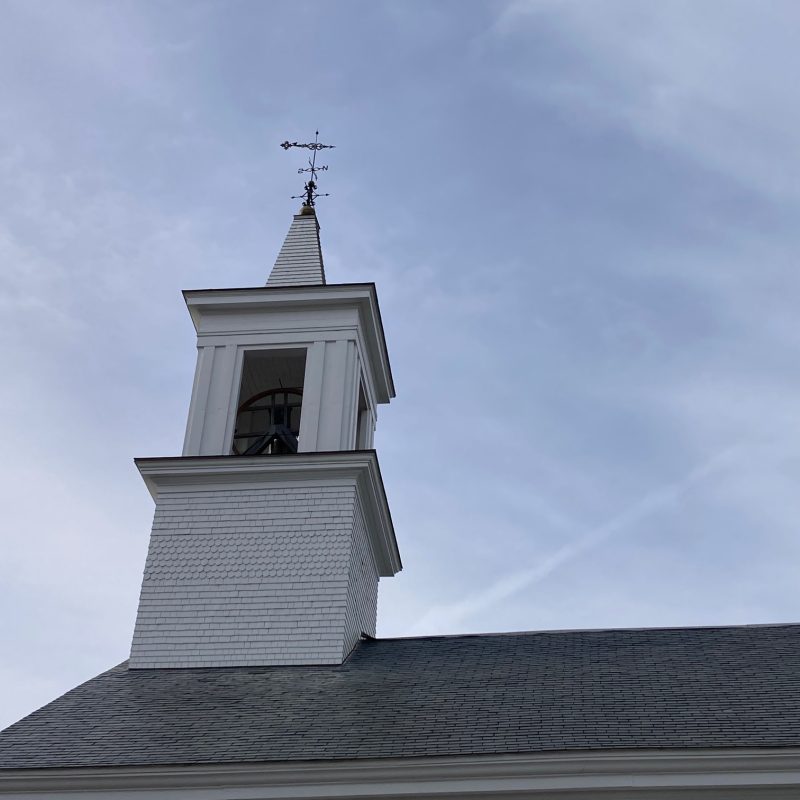
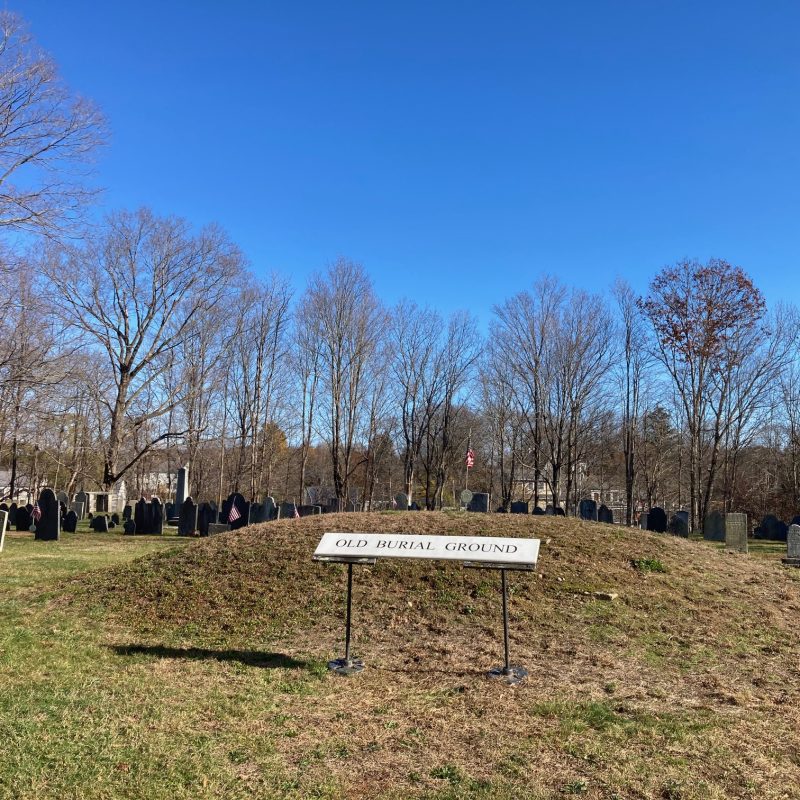
One account states the first meeting house was built a short distance to the north, on the road between Ipswich and Essex. Others say the first meeting house was built on what was called Meeting House Hill, near the center of Essex today, with a second one erected on the same site in 1719. This was near the old burying ground and the schoolhouse. A third was built across the street from this location in 1753, and a fourth on that same site in 1792 (this is the church that stands today). Over the years there have been many renovations, particularly on the steeple and bell tower. Today, the church is known as the First Congregational Church of Essex.
The bell in the tower was cast by the Revere Foundry in Boston, in 1797. It weighs 827 pounds and was made from blending silver dollars, silver spoons, and jewelry contributed from parishioners.
Reverend John Wise was the pastor here from 1680 (ordained in 1683) to 1725.
39 Main Street