More About Rachel Haffield Clinton, Sites of

Rachel’s father, Richard Haffield, moved from Sudbury, Suffolk, England to the New World in 1635, along with his second wife Martha, and five daughters, including six-year-old Rachel. The two oldest daughters had been born to Richard and his first wife Judith and the three youngest, Rachel in the middle, were born to his second wife, Martha. Says Demos, Martha was “very abusive and unreasonable” to her two stepdaughters, perhaps because she had been a maidservant prior to marriage and she knew she was from a lower class than either Richard or his former wife Judith. Martha’s ill treatment of the two oldest daughters, which included physical and verbal abuse, as well as depriving them of needed clothing, created a volatile household for all.


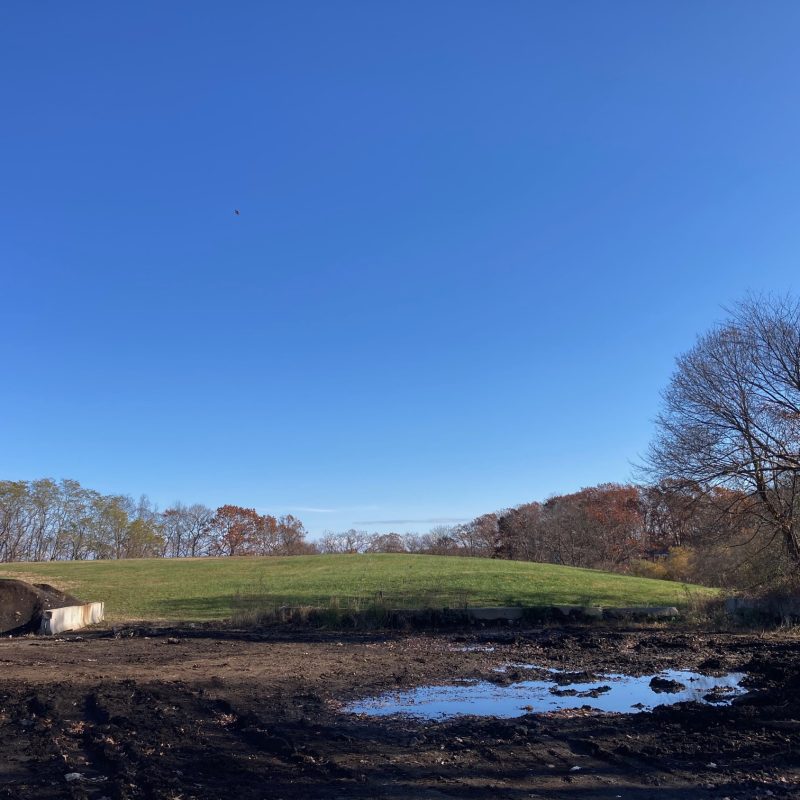
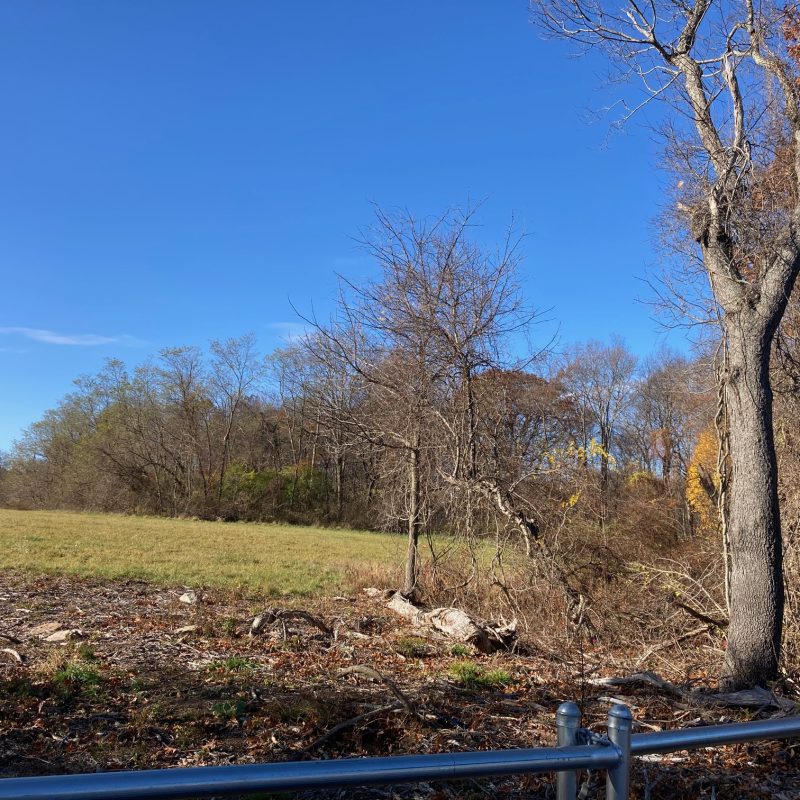
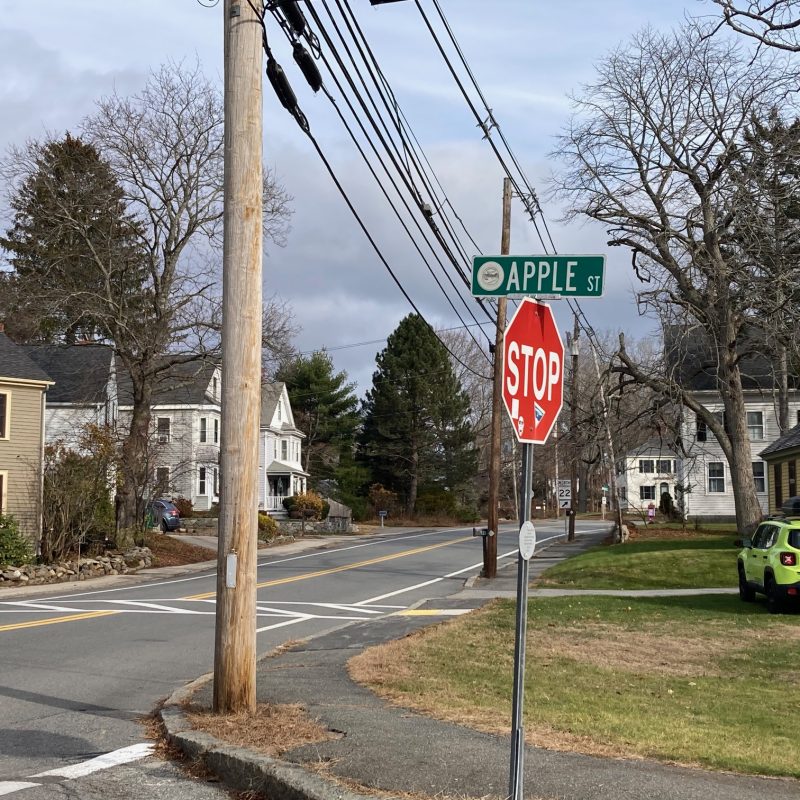
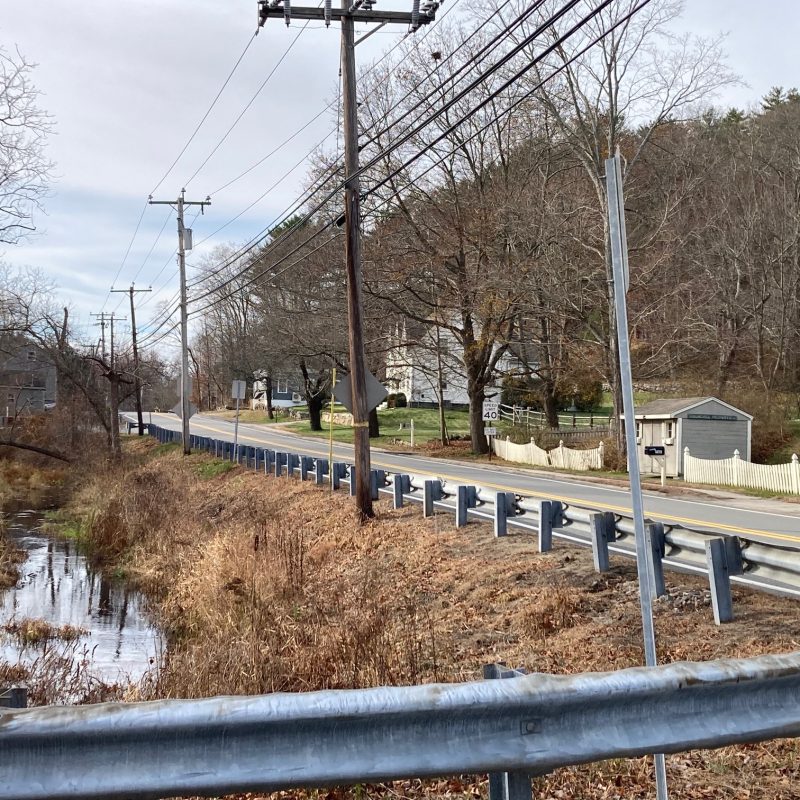
In Ipswich, where he arrived with “a considerable estate of goods and ready money,” Richard was awarded sizable land grants totaling more than 125 acres. The Haffield home was located in southeastern Ipswich, in what is today Essex, near the location of the modern-day Essex transfer station. This area was the original center of the community, near the intersection of Apple Street and Western Avenue. It was known as “The Falls,” named for the industry created around Alewife Brook, home of at least four water-powered mills, according to Ipswich historian Gordon Harris.


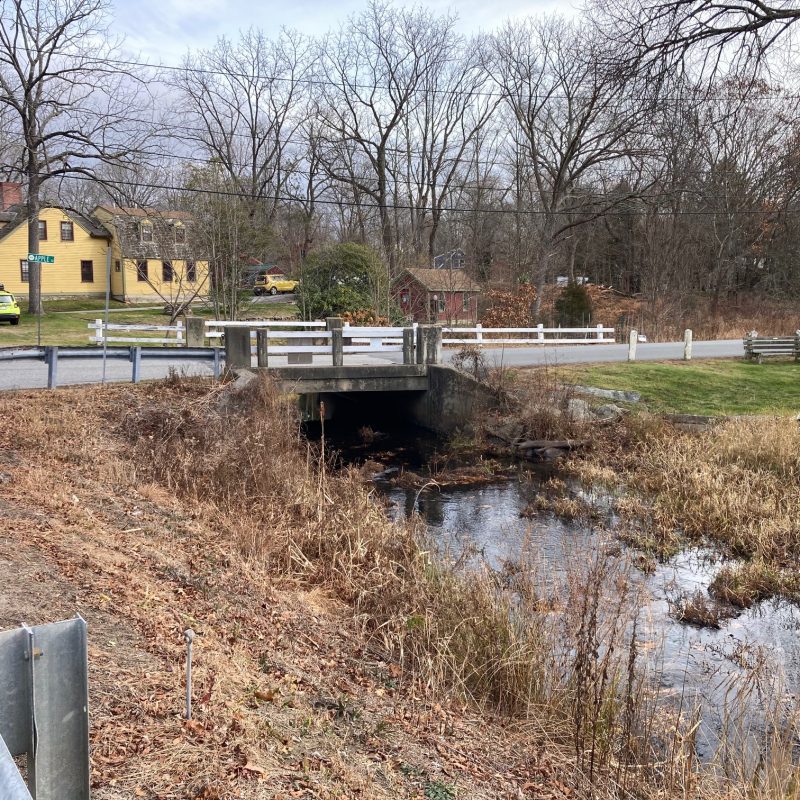
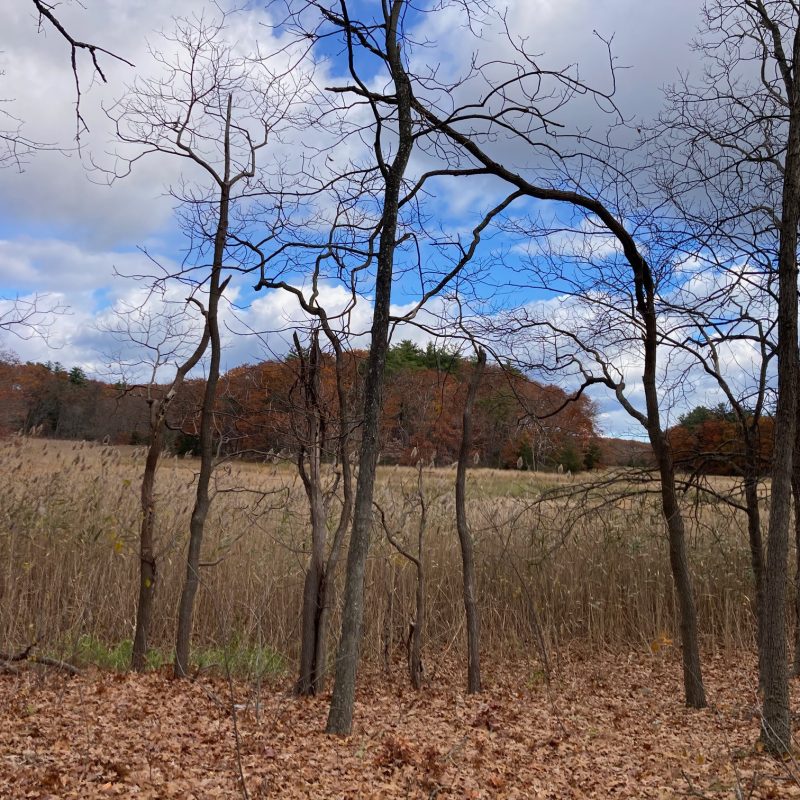
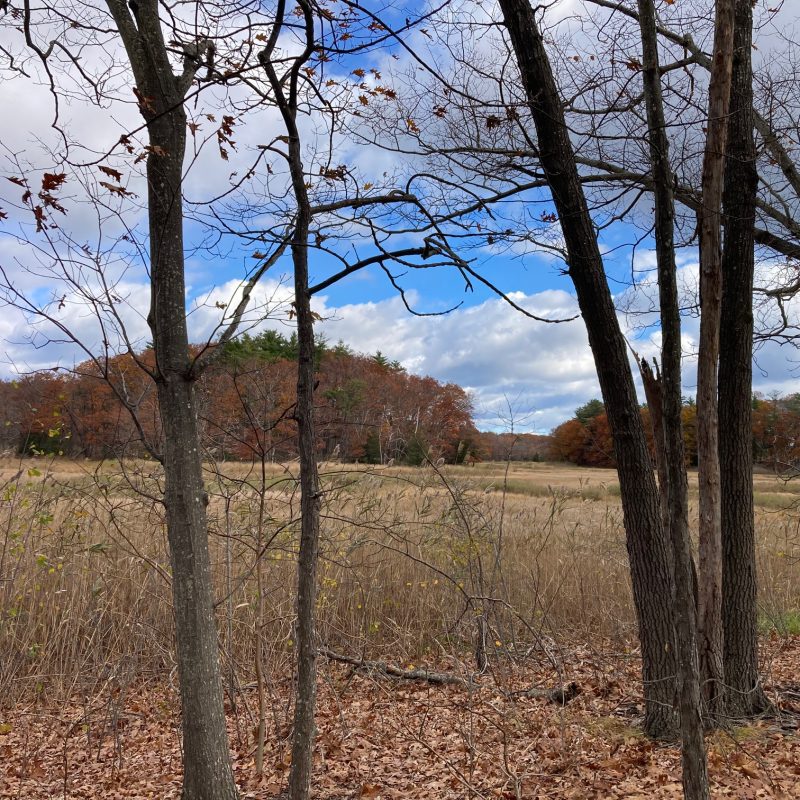
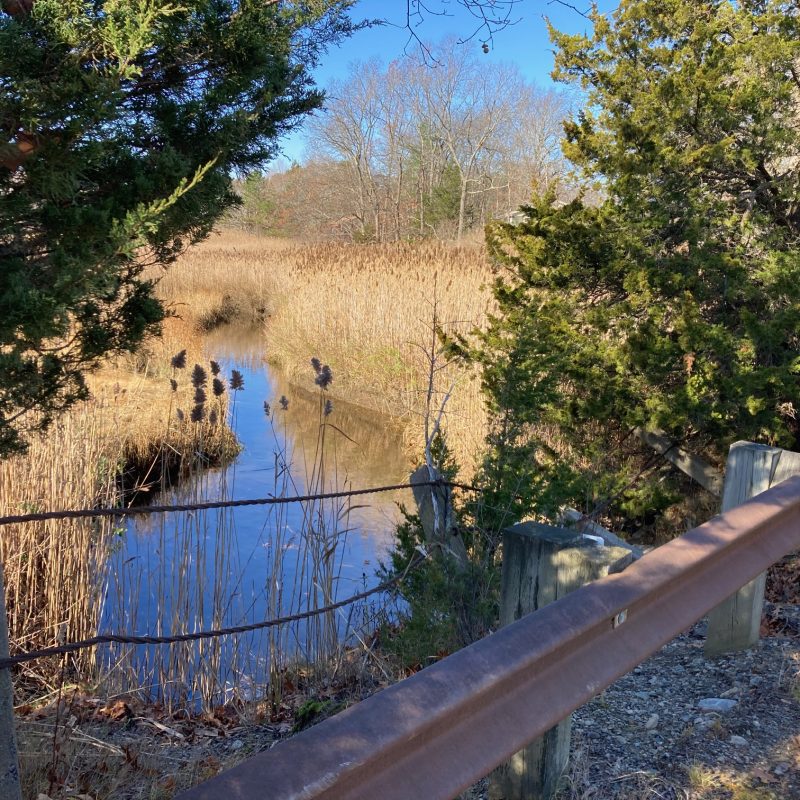
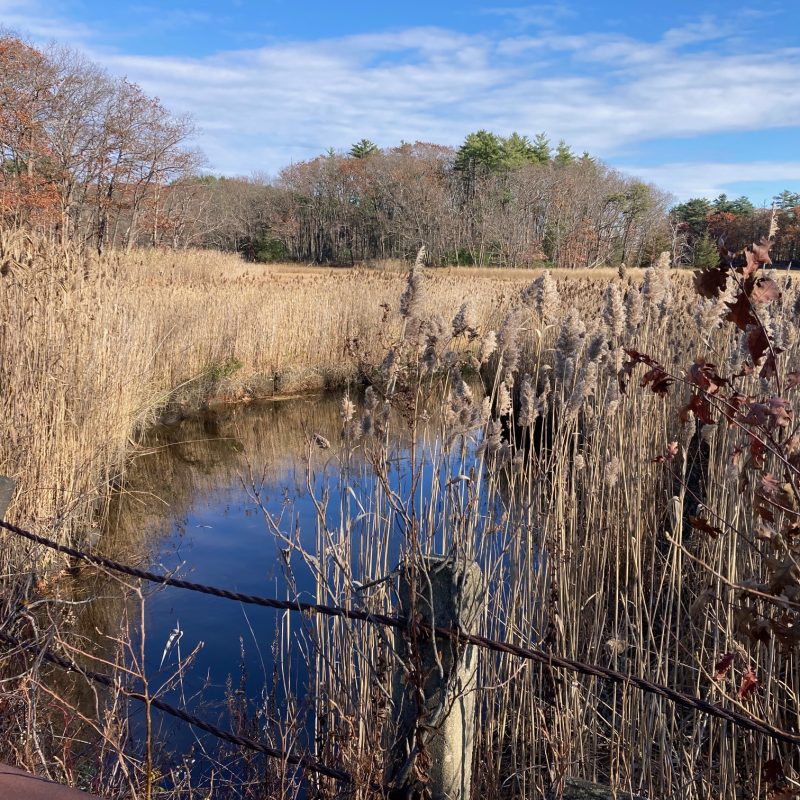
A map at the Ipswich Museum also shows a Haffield lot (mis-spelled “Raffield”) in what is downtown Ipswich today, which it is not likely Richard kept for long, as at the time it was marshland. He also was granted a farm of 100 acres along the Castle Neck River, on the Chebacco Parish/Essex side. The crop was salt marsh hay, used for livestock feed and bedding, mulch, and building material.  The farm remained in the Haffield family for years. In fact, a bridge over the Castle Neck River, originally constructed in 1656, was referred to as “Haffield’s Bridge,” and was a well-known landmark in colonial times. The spot is referred to as “Haffield’s Bridge” to this day.


Richard Haffield lived for only a short time in the New World. He died in 1639, around the age of 58. In his will he attempted to divide his estate equally among the five daughters, each receiving approximately £30 and a portion of his property. The effort to peacefully allocate the inheritance failed, however, as Demos points out, “…court records show that Haffield’s estate was still being litigated more than fifty years after his passing.” It certainly did not help that Martha, named the executrix of the will, continued to favor her three children over the two older stepdaughters. And Richard’s wealth was considerable.


Unusually for the time, Martha Haffield did not remarry and remained a widow until her death three decades later, meaning Rachel had no father figure, or any male role model, from the age of ten. After her husband’s death, Martha slowly went insane.  Rachel’s two older stepsisters married and moved from the home, leaving Martha and her three natural children. Then her biological oldest and youngest daughters married, in 1650 and in 1654, respectively. One assumes the family was still in their original Essex home at this point. Only Rachel continued living with her mother. Perhaps it became too difficult to keep up the house, or maybe they were too far from the center of activity, particularly with Martha’s mental health issues. Whatever the reasons, the year after Ruth married, according to the Historic Ipswich website, “In 1655, the Town of Ipswich took mercy on the old woman and sold her ‘four rods of ground…near the Mill Dam, for twelve pence, to build a little house on.’” This lot was located in the center of downtown Ipswich, on the river.


Rachel was accused of witchcraft at the end of March, 1692. She was arrested, examined, and imprisoned, but never convicted. She remained in Ipswich jail, in fetters, from April until January of 1693, when an unknown person paid her jail fees and she was released. Where Rachel Clinton lived out her last years is unclear.


To read more about Rachel Clinton’s years in Ipswich, and the witchcraft accusations against her, please visit: Rachel Haffield Clinton Home, Site of